About the Program
The Arctic Frontiers Student Forum (AFSF) is a cutting-edge international and interdisciplinary program that gathers 20 to 30 bachelor’s and master’s students from across the Arctic. Held alongside the Arctic Frontiers conference, the forum provides a unique platform for cross-border and cross-sectoral networking, peer-based learning, and professional development. Participants engage in both the main Arctic Frontiers program and dedicated AFSF activities, giving them broad exposure to critical Arctic issues and key voices shaping the region’s future.
The primary goal of the AFSF is to build capacity and strengthen networks among Arctic youth for the betterment of the Pan-Arctic. Through a blend of academic sessions, skill-building activities, and cultural exchange, students are given the opportunity to develop valuable competencies and explore diverse perspectives. The forum offers space for emerging voices to reflect on shared challenges, envision new solutions, and contribute to sustainable and cooperative Arctic development.
What to Expect
The Student Forum is an immersive, week-long in-person program that brings together students from across the Arctic. Before joining their co-students in Tromsø, the students also attend digital preparatory webinars to provide the best foundation for participating at the conference and program. During this program, the students will engage with key regional issues, spark dialogue, and explore innovative solutions for the future of the North.
Participants gain a deeper understanding of the Arctic’s challenges and opportunities while building networks and developing their skills through conference sessions, workshops, group projects, and social and cultural events. The program is closely integrated with the annual Arctic Frontiers conference. This will allow the students to learn from and interact with leading voices in science, policy, and industry.
To ensure participants are well-prepared, the program includes four mandatory webinars leading up to the conference. The program covers all core expenses – including travel, accommodation, meals, and conference participation.
Students will be asked to provide proof of travel and health insurance, and share accommodation in twin rooms with other participants of the same gender. Roommate preferences will be collected when you apply. If you have concerns regarding accommodation arrangements, you are encouraged to reach out before applying.


2026 Arctic Frontiers Student Forum
The 2026 Arctic Frontiers Student Forum (AFSF) brought together 26 bachelor’s and master’s students from Northern Norway, Northern Finland, Northern Sweden, Canada, Iceland, the Faroe Islands and Greenland for a weeklong program in Tromsø at Arctic Frontiers annual conference from February 1st to February 6th, 2026.
This year we welcomed a broad variety of students, representing 11 different nationalities, 4 indigenous groups, and 17 different Nordic and Canadian universities. Through the program week, the students engaged in themes such as coastal-community resilience and ocean governance, hard and soft infrastructure building, space infrastructure and governance, Arctic economic development and growth, non-traditional security, and Arctic geopolitics.
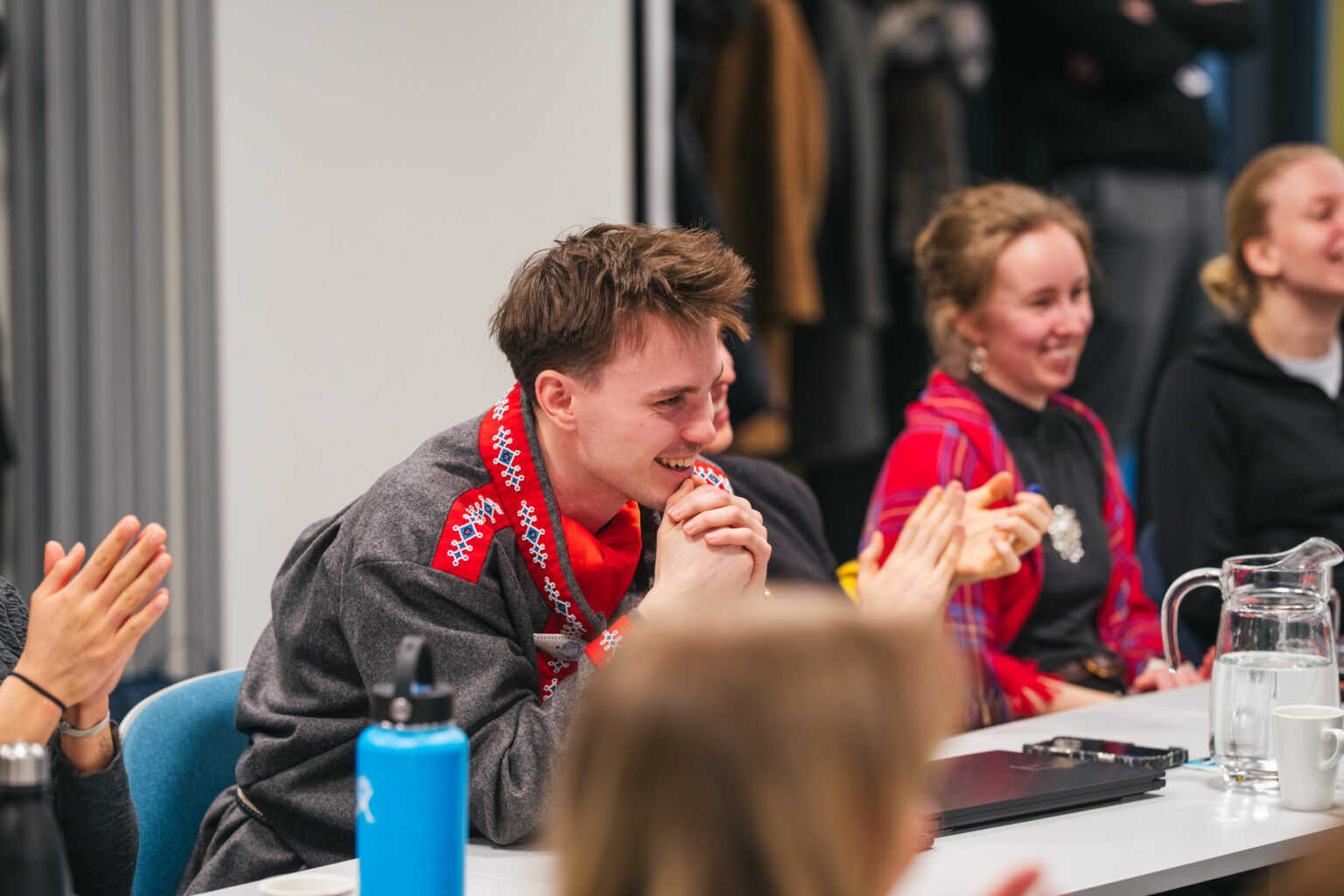
In addition to the conference parts of the program, the participants were invited to four webinars ahead of the conference to prepare them for the conference week. They also attended different social events, including a youth reception with 120 other Arctic youth.
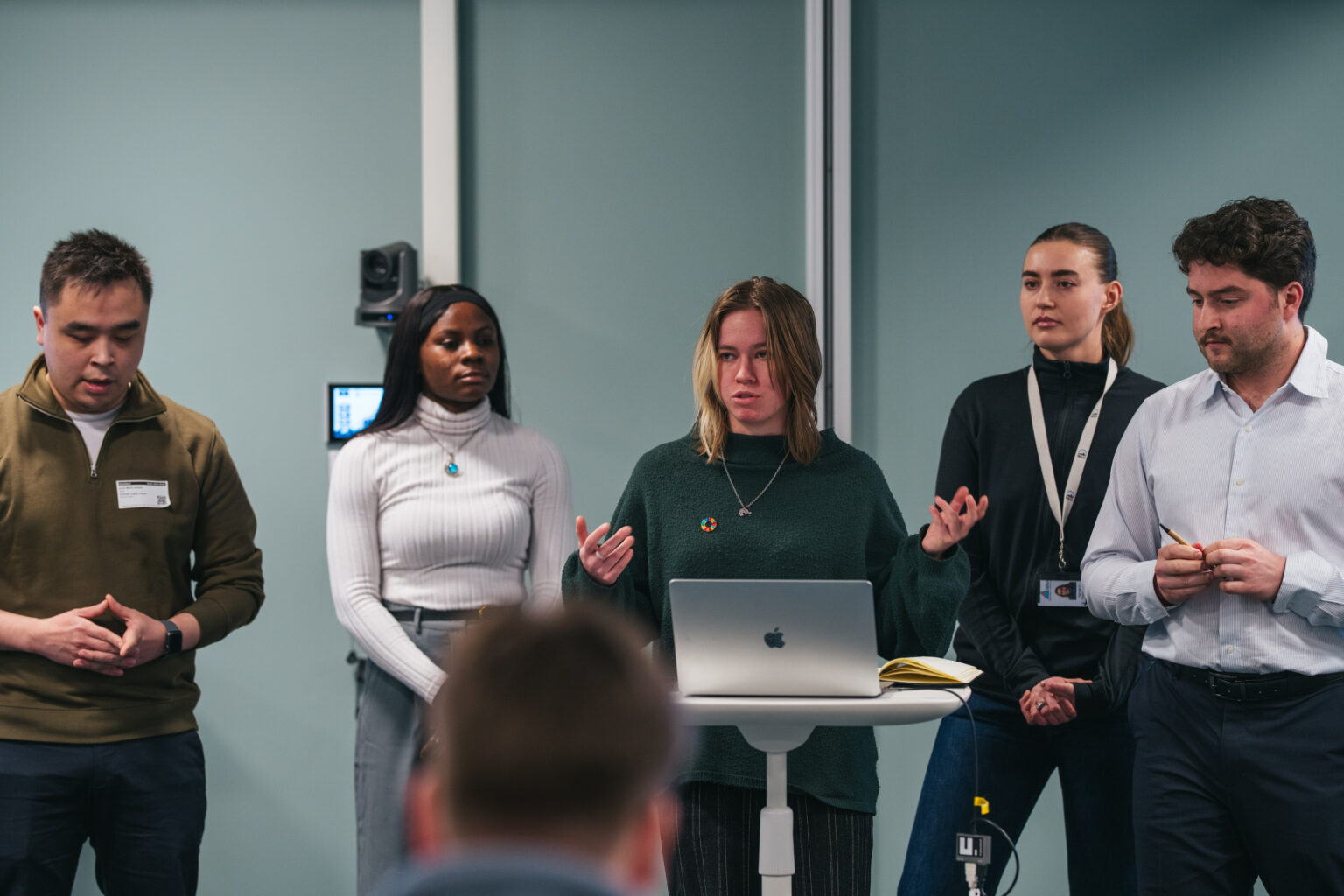
During the Student Forum,t he students worked together in international and interdisciplinary groups to create a policy brief which they presented on Friday 6 Feburary. The students covered the following themes:
- Critical Undersea Infrastructure in the High North
- Food Security in the Arctic: Navigating Climate Change and Geopolitical Challenges in Northern Norway
- Four Pillars for Creating Attractive Future Opportunities for Sámi Youth in Northern Finland
- SAR: “The Arctic is getting busier – but who will rescue us when something goes wrong?”
- Assessment and Risk Management with Potential Deep-Sea Mining on Norwegian Territory 2026
- Resisting “Resilience”: Substantive Use of the Term ‘Resilience’ during the Arctic Frontiers Conference
More info about 2027 Arctic Frontiers Student Forum will come next fall. Stay tuned through our social media channels on Facebook, LinkedIn and Instagram, and Subscribe to our newsletter.