The Green Transition in the Arctic
In a series of roundtable discussions, Arctic Frontiers brought together key actors from multiple sectors – business, policy, academia, Indigenous communities – to address the needs of the green transition in the Arctic. What are the economic needs for this transition? How can we secure energy security in the new green framework, not just in the context of a sustainable transition but also in light of the fluctuating geopolitical outlook? And how can the Nordics contribute in the provision of critical minerals essential to the green shift?
These are some of the topics that have been on the agenda as we’ve met in Tromsø, Bodø, Rovaniemi and Kiruna. In addition to producing discussion summaries and policy recommendations from our roundtables, our programme supported the participation of young and early career voices, both in the roundtables themselves and through our Student Forum and Emerging Leaders programs.
The project was graciously funded by the Norwegian Ministry of Foreign Affairs through their Arktis 2030 program.
Outputs
The key themes and topics from the discussions held at each roundtable have been compiled as outputs, authored by rapporteur Marja Helena Sivonen from the Finnish Environment Institute. The published summaries lay the groundwork for a comprehensive policy roadmap to achieve sustainable development towards a green shift in the Arctic.
Where we've been
Roundtable 1: Economic Demands and Investments for the Green Shift in the Nordics was held in Tromsø, Norway, as part of the Arctic Frontiers 2025: Beyond Borders conference. Participants highlighted the need for a joint political vision for development, workforce recruitment, and investment in the Arctic.
Roundtable 2: Securing Green Energy for Future Nordic Development, was held in Rovaniemi, Finland in spring 2025. Participants highlighted the need for coordinated infrastructure and defence development across borders, done in a manner as to secure sustainability, Indigenous perspectives and local participation.
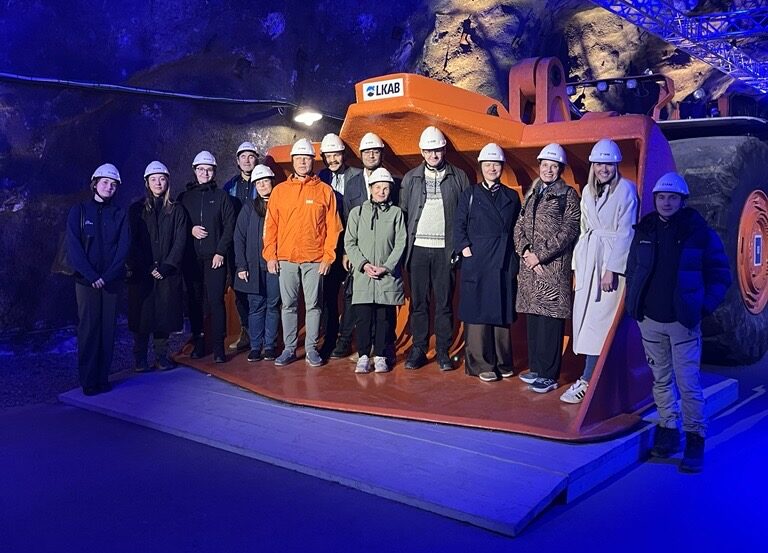
Roundtable 3: Accessing Critical Minerals for Accelerating the Green Transition, was held in Kiruna, Sweden in summer 2025. Participants highlighted the need for ensuring trust-building and inclusive participation of all stakeholders in ensuring ethical and sustainable mining operations.
Roundtable 4: Pan-Arctic Coexistence: Balancing Growth and Conservation along the Coasts, was held in Tromsø as part of Arctic Frontiers 2026: Turn of the Tide conference. Participants highlighted that balancing the green transition with conservation requires cooperation across international, national, local, and Indigenous governance levels, including adequate resources for advisory bodies and Indigenous consultation.
Roundtable 5: The Green Shift in the Arctic: New Technologies and New Energies, was held in Bodø, Norway in spring 2026.