At Arctic Frontiers 2027: Information/Disinformation, there will be seven science themes. These represent the latest advancements in Arctic research and span the physical and social sciences, as well as technological developments and innovative methods.
Each theme is co-organised by a session committee and led by scientists from our partner organisations.
Submission opens August 14, 2026, and is done via the Oxford Abstracts portal, linked at the bottom of this page. The submission deadline is 23:59 CEST, October 5, 2026. Email freya@arcticfrontiers.com for further enquiries.
The Arctic and subarctic regions are undergoing rapid transformations due to changing land use and climate change, leading to both an increased frequency of natural hazard events, and increasing exposure to these events with consequent severe impacts on local communities. Events such as landslides, avalanches, tsunamis, marine and terrestrial heatwaves, flooding and coastal retreat threaten ways of life, the broader environment, and planning and crisis management. This session will explore natural hazards in these fragile regions, focusing on drivers, impacts, and mitigation strategies.
We invite contributions from researchers, policymakers, and practitioners to share insights from field observations, remote sensing, modelling studies, and impact experience. Key topics include remote sensing use in the monitoring of earth changes, the cascading effects of natural hazards on communities and the environment, the role of indigenous knowledge in understanding and responding to these challenges, and the development of innovative monitoring and early warning systems. This session aims to foster interdisciplinary dialogue, highlight emerging trends, and identify knowledge gaps to inform sustainable adaptation strategies. By bringing together diverse perspectives, we seek to advance our understanding of the dynamic processes shaping the Arctic and subarctic environments and their implications for local and global resilience.

Photo Credit: UC Berkley, Department of Geography
Session Committee:
- Louise Daines-Vick, UiT The Arctic University of Norway
- Kristian Svennevig, Geological Survey of Denmark and Greenland (GEUS)
- Louise Farquharson, University of Alaska Fairbanks
- Harald Øverli Eriksen, Norwegian Research Centre (NORCE)
- Reginald Hermanns, Geological Survey of Norway (NGU)

Photo Credit: Photo by Fengkai Liu
Session Committee:
- Henna Kangosjärvi, Akvaplan-niva
- Pär Byström, Umeå University
- Kaisa-Leena Huttunen, University of Oulu
- Kate Hawley, NIVA
- Bjarni K. Kristjánsson, Hólar University
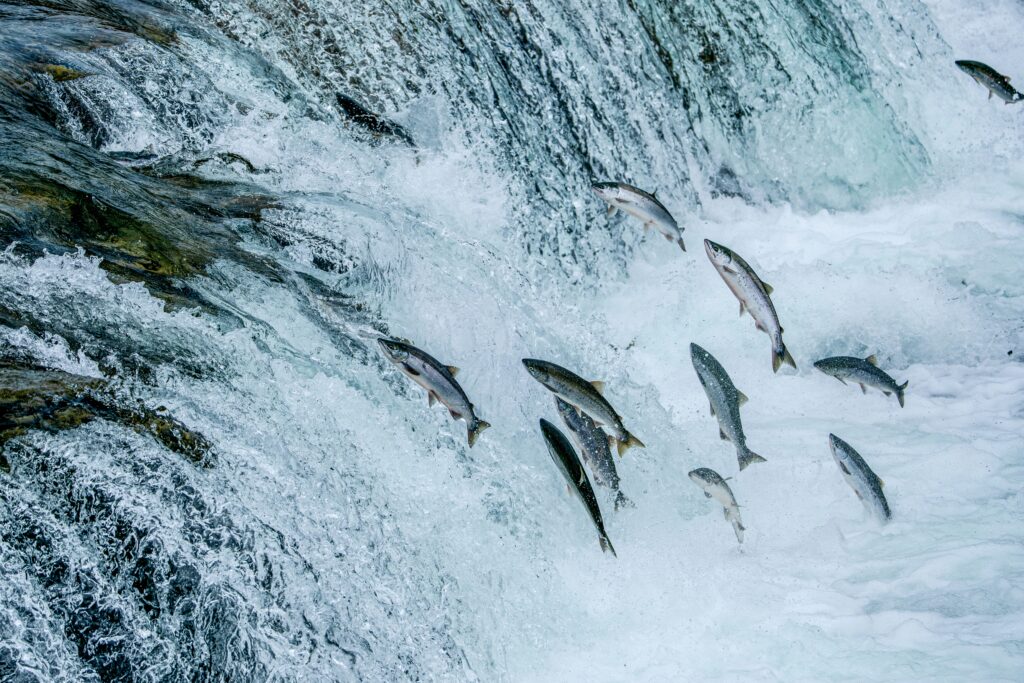
Arctic freshwaters are ecologically, culturally and socioeconomically important ecosystems that provide essential ecosystem services to local communities and Indigenous people. Although species richness is often lower than in southern systems, Arctic freshwaters support unique cold adapted biodiversity, substantial intraspecific diversity and species of high cultural and economic importance. These ecosystems are undergoing rapid change driven by climate warming, infrastructure development, landscape transformation, pollution, and invasive species, creating growing challenges for biodiversity conservation and sustainable management.
This session will bring together research on the causes and consequences of biodiversity change, as well as the conservation of biodiversity in Arctic freshwaters. We welcome contributions spanning from primary producers and invertebrates to fish and other top predators, including studies of trophic interactions and ecosystem functioning. We encourage contributions examining observed and projected biodiversity trends, the drivers underlying these patterns, and their ecological and societal consequences. Contributions addressing biodiversity monitoring, restoration, adaptive management, and mitigation are particularly welcome. We also welcome studies that support knowledge-based conservation and the long-term resilience of Arctic freshwater ecosystems, as well as the Indigenous and local communities that depend on them.
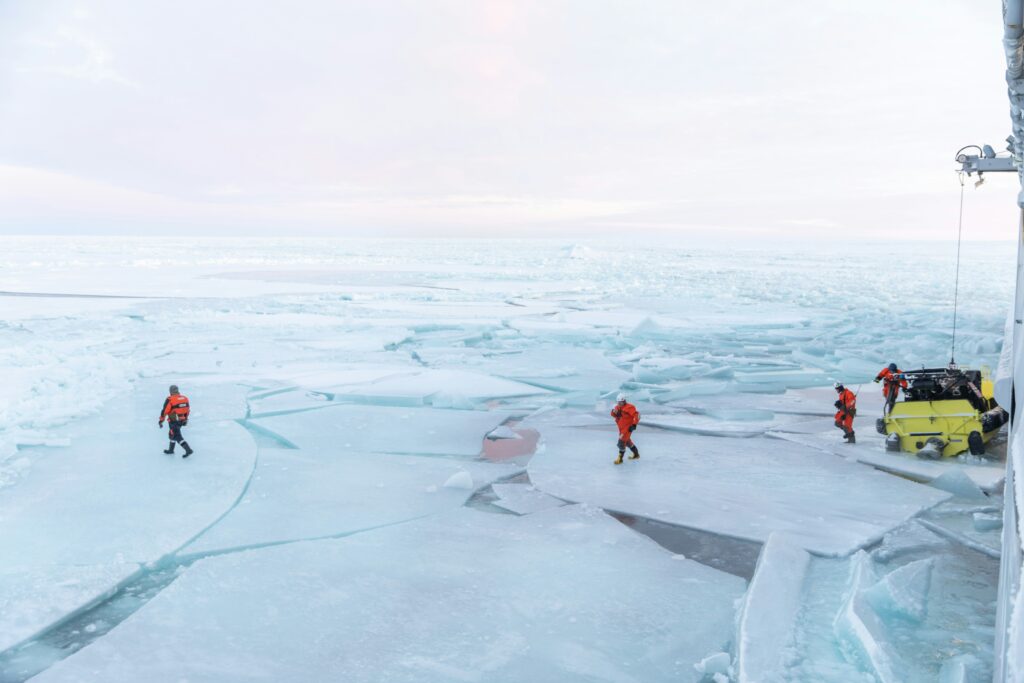
Rapid ongoing changes of the Arctic sea ice are a key driver of environmental transformations in the High North, with profound implications for climate feedback mechanisms, ecosystems, and human activities. At the same time, rapid advancements in technology are revolutionising how sea ice is observed, monitored, and understood across the Arctic. This session explores cutting-edge tools and methodologies that are reshaping sea ice research, observation, and forecasting, from satellite-based remote sensing and autonomous platforms to artificial intelligence and high-resolution numerical modelling.
Enhanced understanding and predictability of Arctic sea ice conditions is critical for anticipating environmental changes and supporting climate adaptation strategies. The session therefore also invites contributions addressing how increased sea ice variability and accessibility of the Arctic Ocean may influence maritime activities, introducing new environmental pressures and risks.
By linking advances in sea ice science, engineering, and technological/digital innovation in Arctic observation systems to policy-relevant environmental challenges, this session aims to identify key knowledge gaps and strengthen the evidence base needed for sustainable management. The session aims to foster collaboration and accelerate the development of robust, data-driven solutions for understanding and navigating the rapidly evolving Arctic ice environment.

Photo Credit: David Fatnes
Session Committee:
- Markus Engelhardt, Research Council of Norway
- Penelope Wagner, The Norwegian Meteorological Institute (MET)
- Knut Høyland, Norwegian University of Science and Technology (NTNU)
- Arild Sundfjord, Norwegian Polar Institute (NPI)
- Laurent Bertino, Nansen Centre (NERSC)
- Lasse Rabenstein, Drift and Noise
Photo Credit: Josh Ogden
Session Committee:
- Stian Solbø, Norwegian Research Centre (NORCE)
- Kjell Arild Høgda, Norwegian Research Centre (NORCE)
- Richard Hann, Norwegian University of Science and Technology (NTNU)/Ubiq Aerospace
- Catherine Cahill, University of Alaska Fairbanks
- Trude Nilsen, Jordobservasjon AS
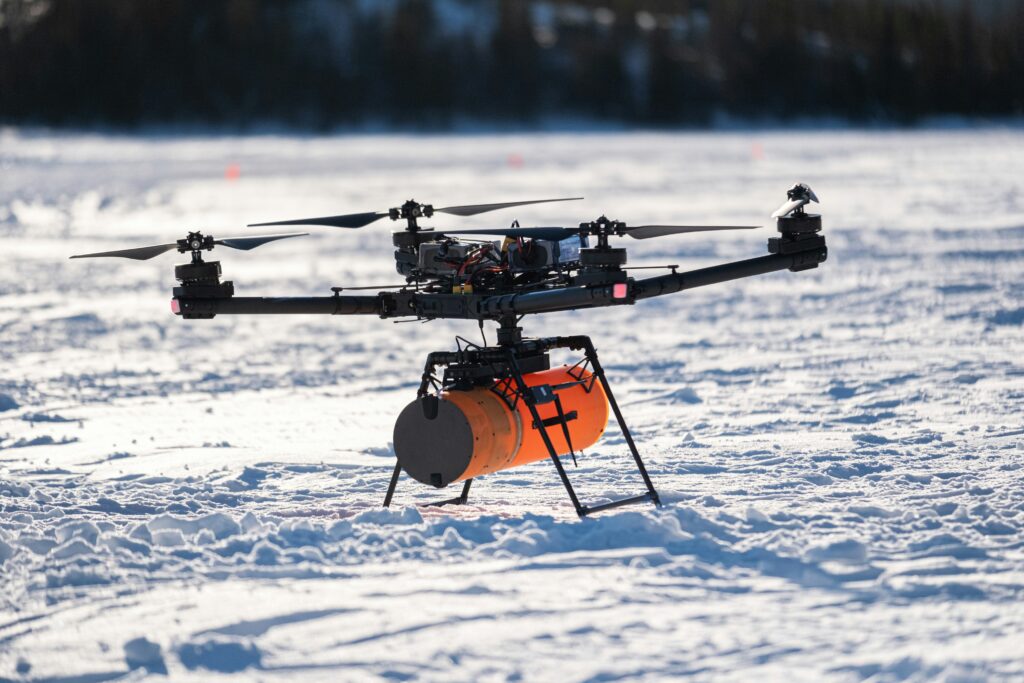
Remote observation and steerable observation platforms are extremely powerful tools for situation awareness and management. For example, Earth observation can track progress of harmful algae blooms, support a ship navigating in sea-ice, or detect possible illegal fishing and vessels that turn off their AIS transponders, while drones are increasingly used in science, resource management, disaster response, infrastructure monitoring and inspection, and defence. In addition, coupling traditional long range remote sensing with models (forecast models and digital twins), drones, and AI can be used to develop a deeper real-time detailed situational awareness filling in the weaknesses of satellite sensing alone. This allows high quality forecasting for predicting future states of the system of interest, enabling policymakers to react efficiently at emerging crises.
Like many emerging technologies, they bring new opportunities and efficiencies but also introduce vulnerabilities as dependence on them grows. The dual-use nature creates additional sensitivities in times of crisis and conflict. In the Arctic, these concerns are amplified by both geopolitical tensions and the region’s strategic importance. This makes it essential to strengthen control of value chains, build domestic competence and capacity, and ensure robustness against harsh weather and disruptions to navigation and communication systems.
This session invites presentations that show the value of Earth Observation when coupled with models, drones and use of AI to exploit the enormous amount of data available today. The session will also highlight key challenges and possible mitigations to support reliable Arctic drone operations and the development of safe, future-ready drone-based solutions, and addresses challenges in deploying drone and remote sensing technology in the Arctic, including future use cases and the impact of rising geopolitical tensions.
Climate and ecosystem time series from observations, reconstructions, and models are of indispensable value for understanding, detecting and projecting environmental changes. In recent years, remarkable improvements in observation techniques and modelling have facilitated the application of climate and environmental data by scientists and stakeholders to adaptation and mitigation of climate change in the polar regions. As climate change pushes Arctic systems into increasingly unfamiliar states, models identify risks and vulnerabilities for which no direct (known) historical analogues exist.
We invite presentations about longer and shorter Arctic climate related time series (in situ observations, remote sensing, paleo-reconstructions, model simulations) from different spheres within physical and biological systems, including glaciers, sea ice, snow, permafrost, ocean, atmosphere, and the ecosystems and communities depending on these systems. We also welcome contributions relating environmental observations to human activity that may reveal causalities and/or potential couplings, and which demonstrate the value of time series for monitoring, process understanding, and governance.
In addition, we invite submissions dealing with applications of climate models and observations to assess the impact of climate change, including proposed mitigation and adaptation policies, on society and the environment. This includes novel methods, managing uncertainty in projections and/or observations, assessing data gaps, and recommendations for future Arctic observatories and observation strategies. We welcome abstracts exploring how environmental monitoring and climate models can help anticipate, understand, and navigate the ongoing Arctic transition into increasingly unfamiliar states. Contributions may address emerging risks, as well as adaptation and mitigation pathways, and approaches for supporting resilient ecosystems, communities, infrastructure, and economic activities under changing conditions.
Photo Credit: Zetong Li
Session Committee:
- Sebastian Gerland, Norwegian Polar Institute (NPI)
- Priscilla Mooney, Norwegian Research Centre (NORCE), Bjerknes Centre for Climate Research
- Katrine Husum, Norwegian Polar Institute (NPI)
- Jack Kohler, Norwegian Polar Institute (NPI)
- Randi Ingvaldsen, Institute of Marine Research (IMR)
- Clara J. M. Hoppe, Alfred Wegner Institute (AWI)
- Erik Sandquist, University of Bergen (UiB)
- Jens Hesselbjerg Christensen, University of Copenhagen
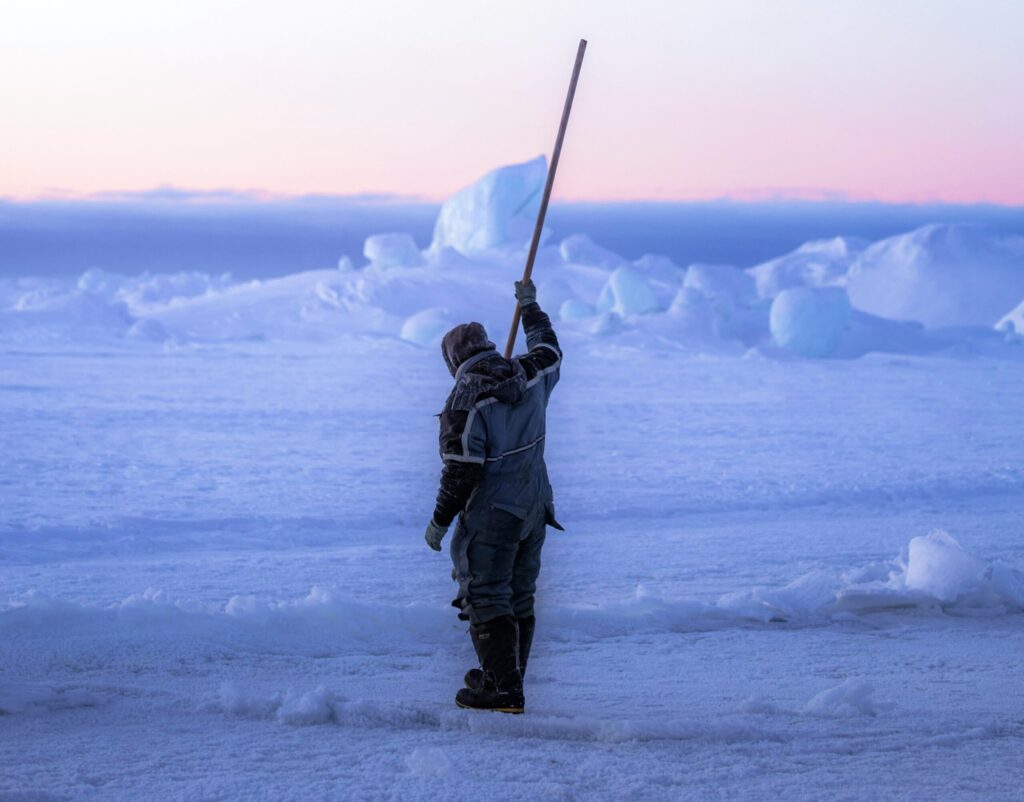
Photo Credit: Aningaaq Rosing Carlsen
Session Committee:
- Lars H Smedsrud, University of Bergen (UiB)
- Rachael Lorna Johnstone, University of Akureyri
- Åsa Rennermalm, Rutgers, The State University of New Jersey
- Alexandra Middleton, Oulu Business School, University of Oulu
- Rikke Østergaard, University of Greenland – Ilisimatusarfik
- Anna Karlsdóttir, University of Iceland
Resources are added to national, international and industry lists of critical minerals based on market-based considerations and defence capabilities, including to meet rapidly increasing demands for renewable energy. Yet one mineral that is critical to life on earth has so far escaped all of these lists: ice. By recentring human and more-than-human life in our definitions of criticality, it becomes clear that ice is in fact critical to multiple life forms, including human life. Meanwhile, some of the uses for which designated critical minerals are intended are detrimental to life.
Polar ice is central to Arctic biota and Indigenous ways of life. It also underlies the functioning of all human societies as we know them. For example, ice and snow are critical to many Arctic Indigenous societies’ ability to travel safely and obtain necessary resources, but also indirectly to non-Arctic coastal societies threatened by sea level rise. On a global scale, the preservation of ice in situ is critical to combating climate warming through its cooling effect and to limit sea level rise.
The criticality of ice depends on maintaining it in place. This is diametrically opposed to dominant discourses as well as legal frameworks which define criticality by what can be removed for profit. Ice is critical precisely when it is not harvested; instead, the harvesting of other resources may require curtailment in order to protect the cryosphere.
This session challenges the audience to rethink assumptions around critical minerals by concentrating on what is critical to life and human societies on earth, as opposed to economic or security priorities. It welcomes consideration of the importance of preserving naturally occurring polar ice while critically examining proposed climate interventions and geoengineering designed to reduce ice loss or enhance ice stability. Indigenous perspectives on the criticality of ice are particularly encouraged. The session delivers a genuinely transdisciplinary approach incorporating insights on the importance of ice and its preservation. It draws on climate science (meteorology, glaciology, oceanography), physical and human geography, Indigenous knowledge, law, economics and philosophy.
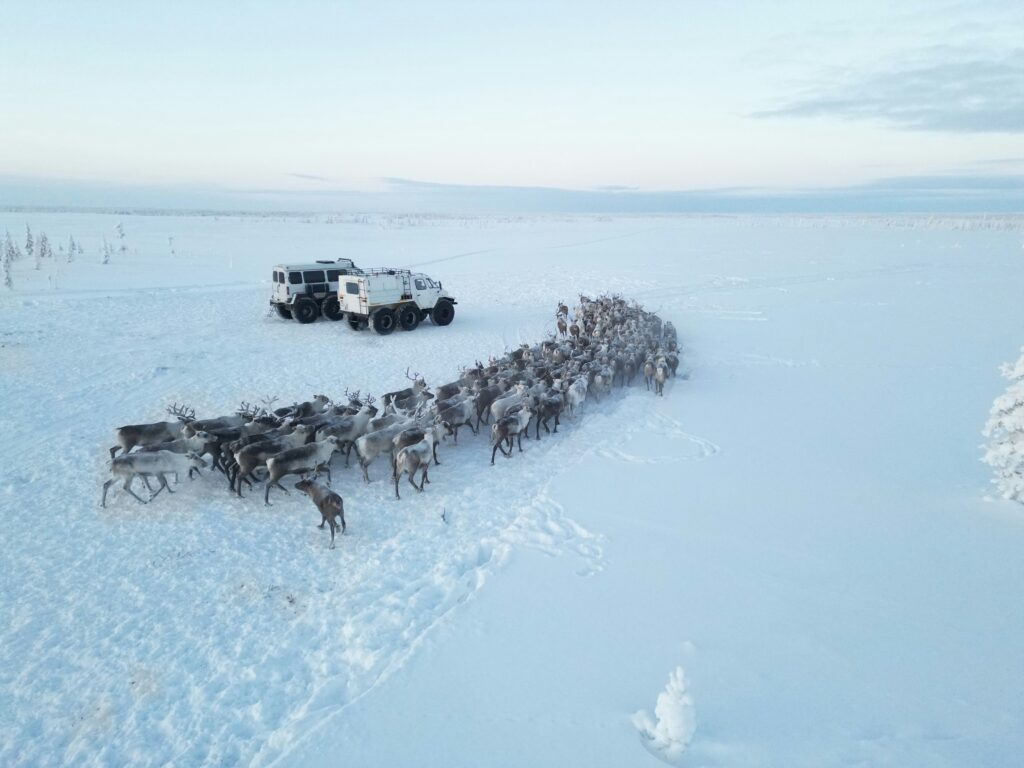
The Arctic faces an unprecedented convergence of pressures driven by competing visions of Arctic futures: the reassertion of US strategic interests from Alaska to Greenland, the reorientation of Nordic security under NATO, deliberate disinformation campaigns targeting Arctic communities, and growing contestation over the communication infrastructure that determines who produces and transmits information across the region.
This session does two things. First, it examines how these competing visions generate specific vulnerabilities at scales ranging from local communities to regional governance frameworks. The session will address how the normative architecture of Arctic governance under stress affects Arctic security which could include topics such as: Canada’s strategic repositioning amid a shifting geostrategic calculus; Greenland’s navigation of competing pressures from Denmark, the US, and its own independence aspirations; Alaska’s evolving role in US foreign and security policy; Nordic states’ efforts to preserve regional agency within NATO- and US-centred structures; the exploitation of Arctic communities through disinformation; and the ways communication technologies shape and potentially restrict information access across the Arctic.
Second, against this contested information environment, it asks what it takes to assert legitimate information in response. Using the example of Arctic Ocean 2050 / Polhavet 2050, Norway’s 10-year, interdisciplinary national programme, it examines how developing knowledge that is both scientifically robust and socially legitimate, alongside science diplomacy and Traditional Ecological and Indigenous Knowledge, can serve as both a foundation for governance and geopolitics.
Photo Credit: Nata Chakova
Session Committee:
- Corine Wood-Donnelly, Nord University
- Britt Kramvig, UiT The Arctic University of Norway
- Dorothy J. Dankel, SINTEF Ocean
- Gunhild Hoogensen Gjørv, UiT The Arctic University of Norway

- Maria Helena Ackren, University of Akureyri / Stefansson Arctic Institute
- Niklas Swanström, Institute for Security and Development Policy
- Niklas Eklund, Umea University / European CBRNE Centre
- Whitney Lackenbauer, Trent University
- Brandon Boylan, University of Alaska Fairbanks
- Geir Hønneland, Fridtjof Nansen Institute
- Elana Wilson Rowe, Norwegian Institute of International Affairs (NUPI)
- Phillipe Archambault, Université Laval
What next?
Abstract submission opens August 14. The abstract submission deadline is 23:59 CEST, October 5, 2026. Submit to the Oxford Abstracts portal using the link below.
What is an abstract?
An abstract is a short description of what you will present at the conference. It should include the motivation of your study – why are you asking the scientific question? Some background information about your study location, method or results can put it into context. Are you investigating glaciers in Greenland? Why? Is it because of sea level rise, freshwater input to the ocean, or loss of clean water? You should let the audience know why your science is necessary.
You should include key results and conclusions in your abstract. Abstracts are normally submitted a few months ahead of the conference, which means you may not yet have your results. Don’t worry, you can include the likely conclusions or outcome of your study, as well as any preliminary results. If your work focuses more on method development or a new technology or technique, then you should describe why it is needed and what it will achieve.
Abstracts are roughly 2-3 paragraphs and a maximum of 400 words for the Arctic Frontiers 2027 conference. If you are from industry or applied science and technology and haven’t written an abstract before, don’t panic. It is important that you make it clear to the session committee what you will talk about and why you fit into their session. The abstract will be reviewed by the session committees, and you will be informed whether you have been assigned an oral or poster presentation. In very few cases, your abstract may be rejected or moved to a different session if it doesn’t fit into the session you chose.